Platelet-Rich Plasma (PRP) Therapy: Regenerative Medicine Using Your Body’s Own Healing Power
Platelet-Rich Plasma (PRP) Therapy
Regenerative Medicine Using Your Body’s Own Healing Power
What Is PRP Therapy?
Platelet-Rich Plasma (PRP) therapy is a biological regenerative treatment that uses the patient’s own blood to stimulate tissue repair and healing.
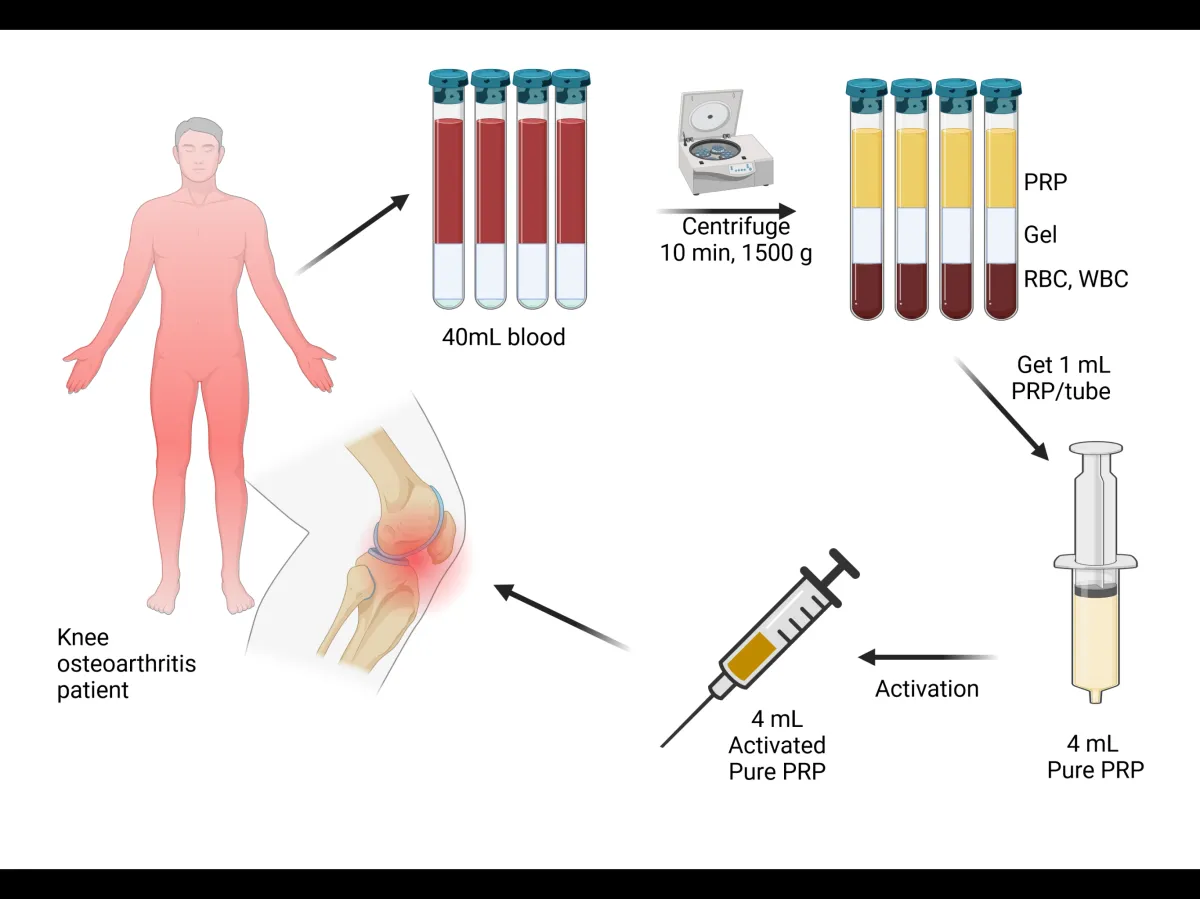
PRP is obtained by drawing a small amount of blood and processing it through centrifugation, concentrating platelets to levels approximately 5–7 times higher than those found in whole blood. These platelets play a critical role in tissue regeneration due to their high concentration of:
Growth factors
Cytokines
Immunomodulatory and signaling proteins
Once prepared, PRP is injected into targeted tissues to support cellular repair, inflammation modulation, angiogenesis, and collagen synthesis.
How PRP Therapy Is Performed
Blood Collection – A small blood sample is drawn from the patient
Centrifugation – Blood is spun one or two times depending on the clinical indication
Platelet Concentration – Plasma rich in platelets is isolated
Targeted Application – PRP is injected into the affected tissue or applied topically (e.g., with microneedling)
Because PRP is autologous (derived from the patient), it is considered a low-risk biological therapy when properly selected and administered.
Common Clinical Applications of PRP Therapy
Musculoskeletal & Orthopedic Conditions
Knee osteoarthritis
Shoulder osteoarthritis
Rotator cuff injuries
Labral tears
Achilles tendinopathy
Lateral and medial epicondylitis (Tennis & Golfer’s Elbow)
Aesthetic & Dermatologic Uses
Facial rejuvenation (with or without microneedling)
Improvement of skin texture and collagen production
Hair restoration and scalp health
Other Medical Applications
Chronic wound healing
Sexual wellness treatments (male and female protocols)
Soft-tissue injuries and overuse syndromes
Advantages of PRP Therapy
Minimal risk of allergic reaction – Uses the patient’s own blood
No risk of blood-borne disease transmission
Minimally invasive, compared with surgical alternatives
May reduce pain and improve function in chronic conditions
Supports natural healing pathways, rather than masking symptoms
Limitations and Considerations
Results may vary depending on condition severity and patient biology
Mild to moderate discomfort may occur during or after injection
Multiple sessions may be required for optimal outcomes
Response may be slower compared to pharmaceutical interventions
Contraindications to PRP Therapy
PRP therapy may not be appropriate for patients with:
Anemia (Hemoglobin < 11.0 g/dL)
Thrombocytopenia (Platelet count < 135,000/µL)
Platelet dysfunction or coagulation disorders
Active local or systemic infection
Active malignancy
Pregnancy
Current systemic corticosteroid therapy
A full medical evaluation is required before treatment.
Regulatory & FDA Disclosure
Important FDA Disclaimer
Platelet-Rich Plasma (PRP) therapy is considered a biological procedure. While PRP devices may be cleared by the U.S. Food and Drug Administration for blood processing, PRP injections for many orthopedic, aesthetic, sexual wellness, and regenerative indications are not FDA-approved.
PRP therapy is offered based on current scientific evidence, clinical experience, and published medical literature. Individual results may vary. This therapy is not intended to diagnose, treat, cure, or prevent any disease.
Scientific References
Marx RE. Platelet-rich plasma: evidence to support its use. J Oral Maxillofac Surg. 2004.
Filardo G, et al. Platelet-rich plasma injections for the treatment of knee osteoarthritis. Am J Sports Med. 2012.
Andia I, Maffulli N. Platelet-rich plasma for managing pain and inflammation in osteoarthritis. Nat Rev Rheumatol. 2013.
Everts PA, et al. Autologous platelet gel and growth factors in chronic wounds. Surg Technol Int. 2006.
Gentile P, et al. PRP for hair regrowth: clinical effectiveness. Stem Cells Transl Med. 2015.
Age-X Clinics Perspective
At Age-X Clinics, PRP therapy is integrated into a personalized longevity and regenerative medicine strategy, combining medical evaluation, lifestyle optimization, and advanced biologic therapies to promote healing, function, and long-term vitality.