
The Invisible Fire: 5 Essential Steps to Achieve Better Metabolic Health New Blog Post
The Invisible Fire: The 5 Steps to Achieve Metabolic Health
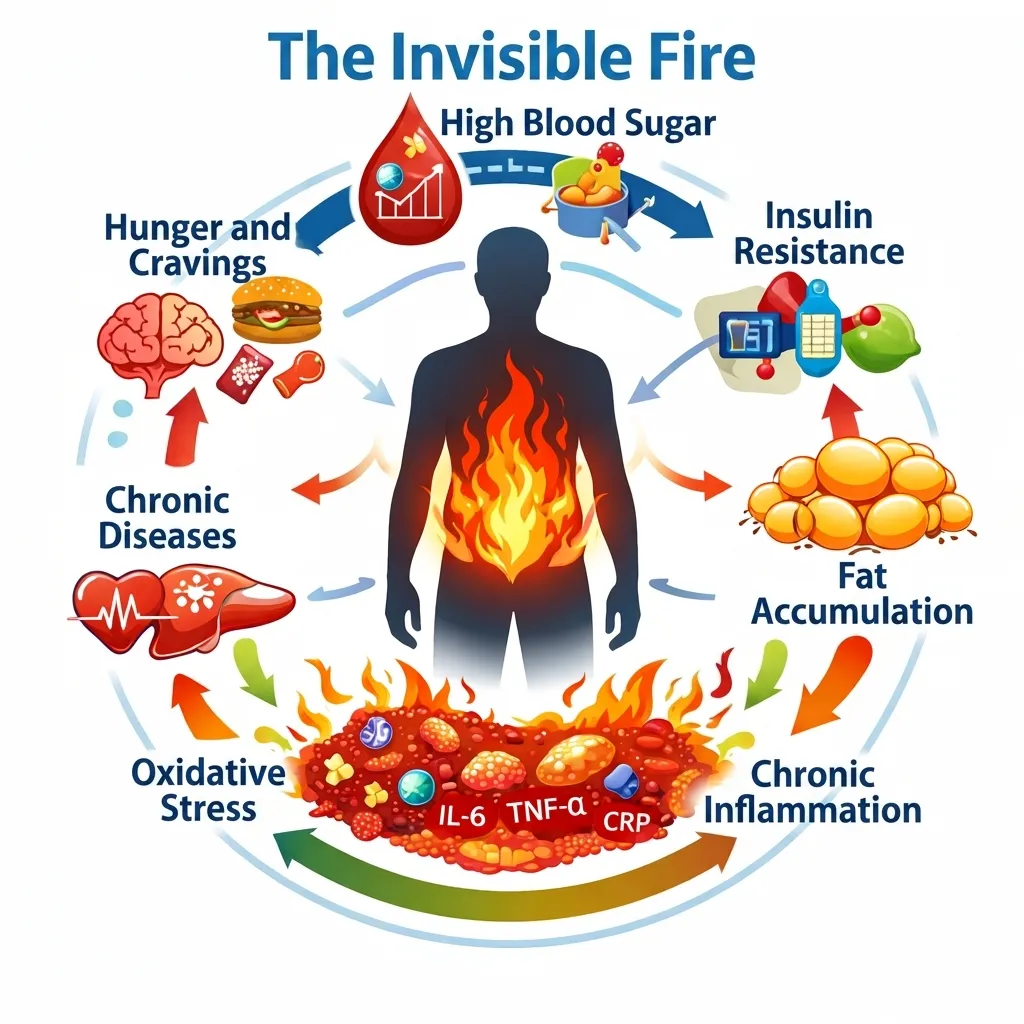
Since we have discussed The Invisible Fire Model, which connects postprandial hyperglycemia, insulin resistance, and other metabolic abnormalities to conditions such as overweight, obesity, prediabetes, POMS, and MASLD, we recognize that these disorders may eventually progress to more serious diseases and complications if left unaddressed.
Based on this concept, I would like to propose five fundamental steps that may help prevent, mitigate, and, when consistently applied as long-term lifestyle interventions, even reverse many of these metabolic conditions.
This represents my personal opinion, based on current scientific evidence and clinical experience. It is not intended to be the only approach or to replace individualized medical advice for these complex disease processes.
The 5 Steps
1. Low-Carbohydrate / Low-Glycemic Diet
A low-carbohydrate, low-glycemic dietary pattern is one of the cornerstones of metabolic health. In general, I recommend a daily carbohydrate intake of less than 130 grams. In some individuals with more severe metabolic disorders, a greater restriction of less than 50 grams per day (a ketogenic diet) may be appropriate under professional supervision.
2. Physical Activity
The minimum recommendation for adults is 150 minutes of moderate-intensity physical activity per week. Make exercise a routine habit that you truly enjoy. When physical activity becomes part of your daily lifestyle, it no longer feels like a burden or a punishment. Working with a health coach or personal trainer may also help you achieve and maintain your goals.
3. Reduce Stress and Prioritize Healthy Sleep
Reducing stress and nurturing healthy sleep habits have a positive impact on metabolic health. Better mental well-being, improved hormonal balance, and lower oxidative stress all favor weight management and may contribute not only to a longer lifespan but, more importantly, to a longer healthspan. Aim for 6–7 hours of quality sleep each night, ideally following a consistent sleep schedule.
4. Use Support Systems and Technology
Take advantage of support systems and community resources. Organizations such as the YMCA, Low Carb USA, and the Obesity Action Coalition (OAC) provide valuable education and support. Nutrition-focused platforms such as Full Plate, The Charlie Foundation, and HelloFresh, among many others, may also be helpful depending on your personal preferences.
We also encourage working with wellness coaches and personal trainers who can help you identify, achieve, and maintain your goals while developing long-lasting healthy habits.
In addition, take advantage of evolving technologies that can help monitor your progress and track important biomarkers, including continuous glucose monitors (CGMs), ketone monitors, smart digital scales, and wearable health trackers.
5. Seek Professional Therapeutic Interventions When Needed
Your health is ultimately in your hands, and it should remain that way. However, seeking professional help when appropriate is both wise and, at times, necessary. Whether from your primary care physician or another healthcare professional with expertise in obesity and metabolic disease management, professional guidance can help develop a personalized treatment plan based on your individual health needs.
This may include laboratory testing, specialized imaging of the heart or liver, medications, or even metabolic and bariatric surgery when appropriate. These are simply tools that can help you achieve the health you deserve.
Final Thoughts
By following these five fundamental steps, you can begin your journey toward preventing, improving, controlling, or even reversing many metabolic disorders. Progress does not require perfection—it requires consistency. Small, sustainable changes maintained over time can produce remarkable improvements in metabolic health and quality of life.