
Ketogenic Diet Benefits for Weight Loss, Insulin Resistance & Metabolic Health | Age-X Clinics
Ketogenic Diet: Understanding the Benefits, Risks, and Role in Metabolic Health
What Is a Ketogenic Diet?
A ketogenic diet is a nutritional approach characterized by a very low carbohydrate intake, typically less than 50 grams of carbohydrates per day. This significant reduction in carbohydrate consumption triggers a metabolic shift in which the body relies less on glucose (sugar) as its primary fuel source and increasingly uses stored fat for energy.
As fat breakdown (lipolysis) increases, the liver produces substances known as ketone bodies, including beta-hydroxybutyrate, acetoacetate, and acetone. These ketones can serve as an alternative energy source for many tissues, including the brain, heart, and skeletal muscles.
During the first few days of adaptation, some individuals may experience temporary symptoms such as headaches, fatigue, lightheadedness, nausea, irritability, or muscle cramps. This transition period is commonly referred to as the “keto flu.” These symptoms are usually mild and short-lived and can often be minimized by maintaining adequate hydration, increasing electrolyte intake (especially sodium), and ensuring adequate sleep.
What Are the Benefits of a Ketogenic Diet?
One of the primary benefits of a ketogenic diet is its ability to significantly reduce postprandial (after-meal) glucose excursions. By limiting dietary carbohydrates, blood glucose and insulin levels tend to remain more stable throughout the day.
This reduction in postprandial hyperglycemia may help improve insulin sensitivity and reduce many of the metabolic disturbances associated with insulin resistance—a process that we describe as part of “The Invisible Fire,” a state of chronic low-grade metabolic inflammation that contributes to obesity, prediabetes, type 2 diabetes, cardiovascular disease, and other chronic conditions.
Potential benefits of a well-formulated ketogenic diet include:
● Significant weight loss, particularly from visceral (abdominal) fat.
● Lower blood glucose levels and improved glycemic control.
● Reduction in HbA1c levels in individuals with prediabetes or type 2 diabetes.
● Improvement in insulin resistance.
● Reduction in triglyceride levels.
● Increased HDL (“good”) cholesterol.
● Improvement in metabolic syndrome components.
● Better appetite control and reduced hunger.
● Potential improvements in energy levels and mental clarity.
● Possible benefits for certain neurological and mental health conditions, although more research is needed in some areas.
In many individuals with prediabetes, a ketogenic diet may help prevent progression to type 2 diabetes and, in some cases, contribute to normalization of glucose metabolism when combined with sustained lifestyle changes.
Is It Safe to Start a Ketogenic Diet?
Before beginning any major dietary change, it is advisable to consult with a qualified healthcare professional to determine whether the approach is appropriate for your individual medical situation.
In general, moderately low-carbohydrate diets (less than 100 grams of carbohydrates per day) are safe for most healthy adults and may provide benefits for weight management and blood sugar control.
More restrictive ketogenic diets (less than 50 grams of carbohydrates per day) should ideally be undertaken with medical supervision, particularly for individuals with:
● Type 1 diabetes.
● Advanced type 2 diabetes requiring insulin.
● Chronic kidney disease.
● Liver disease.
● Pregnancy or breastfeeding.
● A history of eating disorders.
● Certain rare metabolic disorders.
Additionally, individuals taking medications for diabetes or hypertension may require medication adjustments as blood glucose and blood pressure often improve rapidly after adopting a ketogenic diet.
Where Do Your Calories Come From on a Ketogenic Diet?
When carbohydrate intake is significantly reduced, protein and fat become the primary sources of calories.
A well-formulated ketogenic diet should emphasize:
Adequate Protein Intake
Protein is essential for maintaining muscle mass, supporting metabolic health, and promoting satiety. Most individuals benefit from approximately:
1.2–2.0 grams of protein per kilogram of ideal body weight per day
depending on age, activity level, and health goals.
Healthy Fat Sources
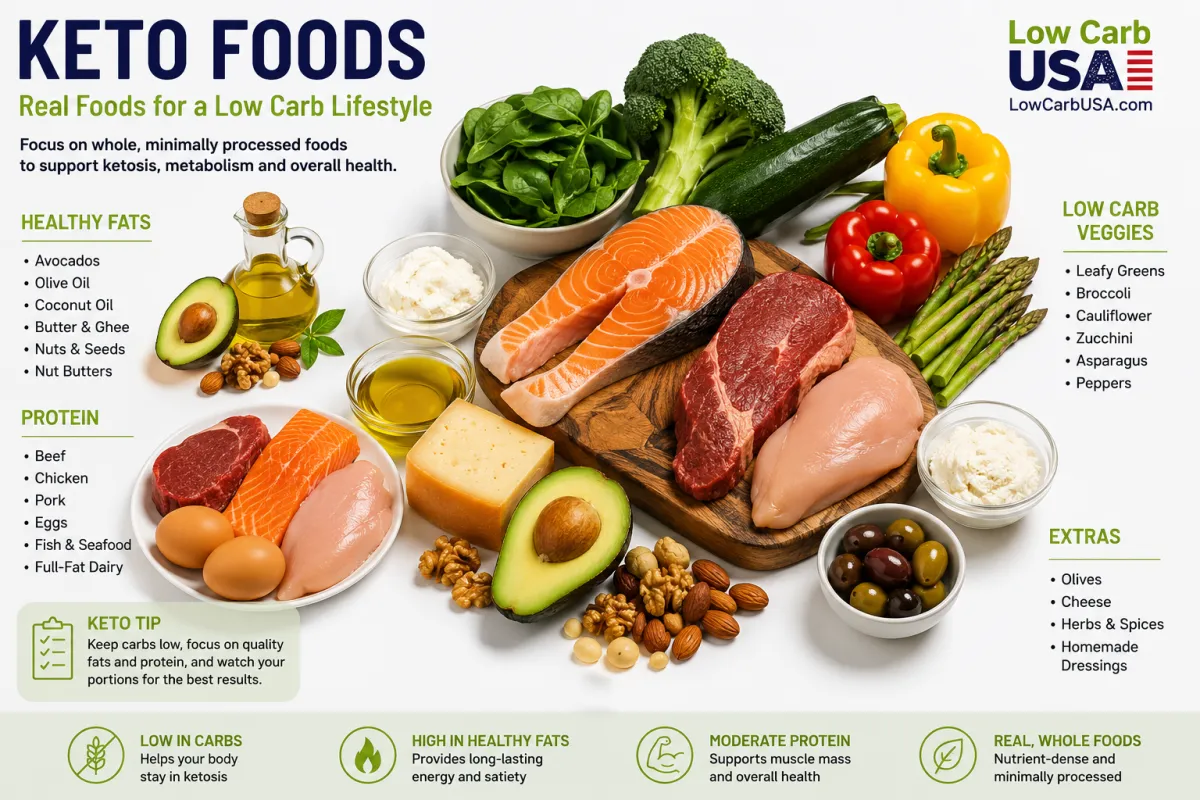
The remainder of caloric needs typically comes from fats, preferably from minimally processed whole-food sources, including:
● Avocados
● Extra-virgin olive oil
● Nuts and seeds
● Fatty fish (salmon, sardines, mackerel)
● Eggs
● Full-fat dairy products (when tolerated)
● Natural animal fats from unprocessed foods
The focus should be on food quality rather than simply increasing fat intake.
Does a Ketogenic Diet Increase Cholesterol?
The answer is: it depends.
A ketogenic diet frequently lowers triglycerides and raises HDL cholesterol, both of which are generally considered favorable metabolic changes.
LDL cholesterol (“bad cholesterol”) may remain stable, decrease, or increase depending on the individual. Some people experience minimal changes, while others—particularly lean individuals or those with certain genetic characteristics—may see more substantial LDL elevations.
For most individuals living with obesity, insulin resistance, metabolic syndrome, or prediabetes, the overall metabolic benefits often outweigh modest changes in LDL cholesterol. However, lipid levels should be monitored periodically by a healthcare professional.
Special caution is warranted in individuals with inherited lipid disorders, including:
● Familial Hypercholesterolemia (FH)
● Familial Combined Hyperlipidemia
● Familial Chylomicronemia Syndrome (FCS)
These conditions may require specialized dietary approaches and close medical supervision.
The Ketogenic Diet and the Invisible Fire
The concept of The Invisible Fire refers to the chronic metabolic stress generated by repeated postprandial glucose spikes, hyperinsulinemia, insulin resistance, and low-grade inflammation.
By substantially reducing dietary carbohydrates, a ketogenic diet helps:
● Reduce postprandial glucose excursions.
● Lower insulin secretion.
● Improve insulin sensitivity.
● Promote fat mobilization.
● Reduce visceral adiposity.
● Decrease metabolic inflammation.
These effects may help interrupt the progression from overweight and obesity to prediabetes, type 2 diabetes, fatty liver disease, cardiovascular disease, and other chronic metabolic conditions.
How Do We Monitor Ketosis Safely?
At our practice, at Age-X Clinics,patients who follow a ketogenic diet are monitored closely to ensure that ketosis remains within a safe and therapeutic range.
We routinely use blood and breathing ketone meters to measure beta-hydroxybutyrate (BHB), the primary ketone body produced during nutritional ketosis. This allows us to objectively assess the degree of ketosis and make dietary adjustments when necessary.
It is important to understand that nutritional ketosis and diabetic ketoacidosis (DKA) are not the same condition. Nutritional ketosis is a normal physiological adaptation in which blood ketone levels typically range between 0.5 and 3.0 mmol/L, while blood glucose remains within a normal or near-normal range.
In contrast, diabetic ketoacidosis is a serious medical emergency that occurs primarily in individuals with Type 1 Diabetes and is characterized by severe insulin deficiency, very high blood glucose levels, metabolic acidosis, dehydration, and markedly elevated ketone levels, often exceeding 10 mmol/L.
By monitoring blood ketones, blood glucose, symptoms, hydration status, and laboratory parameters when appropriate, we can help patients achieve the metabolic benefits of ketosis while maintaining a high level of safety.
This individualized and medically supervised approach allows us to optimize weight loss, improve metabolic health, and minimize potential risks associated with very low-carbohydrate diets.
Final Thoughts
A ketogenic diet is a powerful nutritional tool that can help improve metabolic health, promote weight loss, reduce visceral fat, improve insulin resistance, and enhance blood sugar control. When properly implemented and medically supervised when appropriate, it may play an important role in the prevention and treatment of obesity, prediabetes, type 2 diabetes, and other conditions associated with metabolic dysfunction.
Like any therapeutic intervention, a ketogenic diet is not appropriate for everyone and should be individualized based on medical history, goals, preferences, and lifestyle. The most effective dietary approach is one that is safe, sustainable, nutritionally adequate, and capable of supporting long-term health.
At our clinic, ketogenic nutrition is implemented as part of a comprehensive metabolic health program that includes medical evaluation, body composition analysis, Resting Metabolic Rate analysis, laboratory monitoring, lifestyle coaching, and ketone testing when appropriate. This personalized approach helps ensure that patients remain within safe levels of nutritional ketosis while maximizing the benefits for weight management, insulin resistance, prediabetes, type 2 diabetes, and overall metabolic health.
For more information and support you can visit :