
Continuous Glucose Monitoring (CGM): A Powerful Tool for Metabolic Health and Longevity
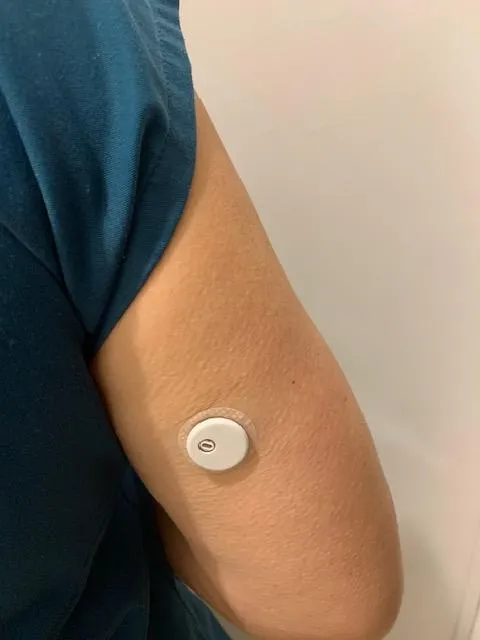
Continuous Glucose Monitoring, or CGM, refers to wearable devices designed to measure glucose levels in real time, usually every 1 to 5 minutes. These devices were originally developed for patients with insulin-dependent diabetes, especially those at risk for hypoglycemia, a potentially dangerous drop in blood glucose often related to insulin therapy.
Over time, CGM use expanded beyond insulin-treated diabetes. In patients with type 2 diabetes not using insulin, CGM can improve awareness of glucose patterns and help guide lifestyle interventions such as nutrition, meal timing, and physical activity.
Today, CGM is also gaining attention as a metabolic optimization tool in selected non-diabetic individuals. By showing how glucose responds to food, exercise, sleep, stress, and daily routines, CGM can help identify postprandial hyperglycemia, glucose excursions, and patterns of glycemic variability that may otherwise remain invisible.
I personally wear a CGM frequently because the continuous feedback allows me to adjust my diet, exercise, sleep, and stress-management habits in real time. My goal is to keep glucose within a narrow, healthy range and reduce repeated post-meal spikes. These spikes may contribute to insulin resistance, visceral fat accumulation, oxidative stress, and chronic low-grade inflammation — the domino effect I describe as “The Invisible Fire.”
If we know our numbers, we can adjust our actions. We can improve food choices, increase post-meal movement, modify sleep routines, manage stress, and make better decisions for our metabolism, lifespan, and, more importantly, our healthspan.
In summary, a person does not need to wait until diabetes develops, or until insulin is required, to benefit from glucose awareness. For selected individuals, CGM can be used as an educational and behavioral tool to better understand metabolism, reduce unnecessary glucose spikes, and support long-term metabolic health.